
The rise of remote work in recent years has shattered traditional workplace models. Fueled by globalization and unforeseen events like the pandemic, this shift has redefined where and how work gets done. While this digital revolution unlocks a world of opportunity from attracting top talent anywhere to fostering a more flexible work-life balance – it also presents challenges. One critical hurdle is the persistent digital divide. This gap in access a technology and digital literacy skills can leave entire groups of workers behind, hindering both the effectiveness and inclusivity of remote work environments. As we embrace this new era of remote work, a focus on diversity an inclusion is no longer a nicety; it’s a strategic move. By ensuring everyone has the resources and support they need to thrive in a remote setting, regardless of background and location, we unlock the full potential of global workforce. This fosters innovation, boosts employee satisfaction, and propels organizations towards long-term success. How do we bridge the digital divide and create a truly inclusive remote work environment? Let’s explore how to understand digital gaps, its relationship with diversity, and actionable strategies to promote access and literacy.
The term “digital divide” refers to the disparity in access to and use of technology between different groups of people. In the context of remote work, this translates to a gap between those who have the resources and skills to thrive in a remote environment and those who face challenges due to limited access or knowledge. Here are some key aspects of the digital divide that hinder successful remote work.
The impact of these digital gaps falls disproportionately on diverse groups, including:
By recognizing how these digital gaps impact diverse groups, organizations can develop strategies to bridge the divide and create a more inclusive remote work environment.
Digital gaps don’t exist in a vacuum. They often intersect with existing inequalities in the workplace, creating a double bind for diverse groups struggling to thrive in remote work environments. Consider this scenario: A single mother from a low-income background lands a coveted remote work position. However, she lacks reliable internet access at home and struggles to afford childcare while attending online meetings. This is just one example of how digital gaps and pre-existing disparities can combine to create significant challenges.Intersectionality is key. Addressing digital gaps effectively requires acknowledging how they interact with other forms of workplace inequality. A one-size-fits-all solution won’t work. Companies need to consider the unique challenges faced by diverse groups and develop strategies to provide targeted support. When you recognize and address intersectionality in the workplace to bridge the digital divide, you can foster a more inclusive and equitable remote environment for everyone. Do you want to deeper your understanding about the digital divide? Watch this video! https://www.youtube.com/watch?v=aMi3ky04XqY
While the digital divide presents a significant challenge, there are actionable strategies the private sector can implement to bridge the gap and create more inclusive remote work landscape. Do you want to learn more? Here are some strategies you can implement in your company:
By adopting these strategies, you can create inclusive remote work policies that acknowledge the digital divide and provide the resources and support necessary for a diverse workforce to thrive in a virtual environment. This not only fosters a more equitable workplace but also unlocks the full potential of a global talent pool, driving innovation and success for companies.
Remote work has transformed how we work, opening doors to a global talent pool and flexible schedules. However, there are digital divides that affect how remote employees access to Internet, develop tech skills, or use the right devices. You can bridge this gap by working with your local government, non-profit organizations, and other partners to create policies with stipends and support for everyone. Ready to take action? Contact Remoto Workforce to build a future that’s innovative and accessible for all.
Discover the cost and performance advantages of global recruitment and nearshore outsourcing.
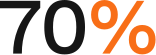
U.S. and Canadian companies can cut payroll costs by up to 70% through nearshore staffing in Mexico.

Cross-border recruiting has never been easier. Explore the global talent pool and unlock new opportunities for growth.

More companies now turn to Mexico for skilled professionals who deliver remote services and operational efficiency.

Businesses save up to 32% on cost per hire while gaining the flexibility to scale teams as needed.