Many people think a career change means starting from zero. This idea becomes stronger when they want to move into a new field or explore remote work.
In most cases, people already have useful skills. The real task is to review those skills and understand how they fit in a new role. A clear plan helps people move faster and avoid mistakes during a career change.
A career change often feels harder than it is, especially when people move into a new field or a different work setting. Many take on new titles, but their daily tasks stay similar.
For example, someone in customer service can move into support or account management. A project assistant can shift into operations. The title changes, but the type of work remains close, which makes the transition easier.
More companies now offer remote or flexible jobs, which gives people access to roles in different industries. This shift allows them to explore new options without leaving their experience behind. It also opens doors to industries that were not accessible before because of location limits.
Remote jobs have grown in recent years. This opens the door for anyone figuring out how to switch careers — no starting from zero required. Many of these roles value skills over titles, which makes transitions more practical.
Before making any move, people need to understand what they already know and how their skills apply in a new setting. Many abilities work across roles, even when the job title changes.
Communication, problem solving, and time management remain important in most jobs. The difference comes from how people use these skills in a new environment.
For example, instead of speaking in person, people may rely more on written messages and video calls. They also plan their tasks more carefully when they work with distributed teams.
Research helps people connect their current skills with the right roles. It also helps them understand what type of work they enjoy and what environment fits them best. This step shows that they do not need to start from zero and supports a stronger career transition.
People change careers for different reasons, and these reasons shape the type of role they should pursue. Some look for growth, while others want better job options or a different type of work.
Remote work also influences this decision. Many companies now offer flexible or fully remote roles, which gives people access to more opportunities. In fact, remote jobs have increased threefold since 2020 and now represent a meaningful share of job openings in the United States.
Research helps people identify roles that match their strengths and interests. It also helps them reflect on what matters most, such as income, work environment, or teamwork preferences. Keeping these factors in mind makes the switch careers process smoother and more intentional.
When people define a clear goal, they make better choices and avoid confusion.
A strong transition depends on recognizing what skills transfer between roles. Many jobs share similar tasks, even across industries.
For example, a retail worker helps customers, solves problems, and manages daily tasks. These same skills apply to remote support or administrative roles.
People should focus on what they do every day instead of only looking at job titles. This approach helps them see how their experience connects to new opportunities.
This step also makes it easier to explain their background during a job switch. It shows that they already have relevant experience and do not need to start from zero.
A new role often requires some adjustments. People may need to learn new tools, follow new processes, or communicate in different ways.
Remote work provides one clear example. People need to use online tools, manage their time, and communicate clearly in writing. These changes focus on how work happens, not on the core skills.
For example, someone who tracks tasks in an office can learn to use a project tool online. The process stays the same, but the format changes.
A clear review of these differences helps people focus on what they need to learn. This makes the job change process more practical and less overwhelming.
A full career change can feel risky, especially when people move into a new field. Testing a role first helps reduce that risk.
People can take small steps such as freelance work, part-time projects, or certifications. These options provide real experience and help confirm if the role fits their expectations.
Some people explore new careers because they want remote work. Testing allows them to see if the role and the work style match what they want.
This step plays an important role in how to prepare for a career change and helps build confidence before making a full transition.
Employers want to understand why someone changes careers, and a clear explanation helps them trust that decision. When candidates explain their reasons well, employers can see that the move follows a clear plan.
People should connect their past work with the new role so the transition makes sense. They should also show what steps they took to prepare, such as learning tools or working on small projects. These actions prove that they took the change seriously.
A clear explanation shows a planned move and helps employers make decisions more easily. It also helps candidates present their experience with more confidence. This supports stronger career change tips.
Not all career paths offer the same opportunities. Some roles grow faster and provide more stability.
People should review job listings, required skills, and salary ranges. This helps confirm whether a role supports long-term goals.
Many companies continue to adopt remote or flexible work models. This trend increases demand for roles that support distributed teams and digital processes.
Understanding demand helps people choose better paths during a how to switch careers without starting over process.
Many people delay their transition because they believe they need full expertise before applying, and this slows their progress. Instead, a better approach focuses on practical skills that allow them to start working sooner.
People can learn the basics required for the role and then improve over time through real experience. This way, learning connects directly to daily tasks instead of theory.
This shift also aligns with how companies now hire. Many businesses use Talent as a Service (TaaS) model to bring in professionals who can start quickly and grow into the role. They focus on skills and potential instead of perfect experience.
This method helps people move faster and stay focused on what matters. It also reduces the pressure to learn everything at once, which makes the process easier to manage.
For this reason, a focused and practical approach offers clear and useful career change advice.
A structured evaluation process helps people change careers without starting over. They use their existing skills and adjust them to fit the new role.
This reduces risk and saves time. It also helps people choose roles that match their skills and goals.
Companies also benefit from this approach. They need people who can adapt, learn quickly, and work in different environments. Candidates who understand their strengths perform better and stay longer.
Businesses look for reliable talent that can work across different setups, especially as remote work continues to grow.
A clear plan helps you move into a new career without starting over. Remote roles can help you apply your skills in a different field and access more opportunities.
If you are ready to take the next step, you can apply for a position here.
Discover the cost and performance advantages of global recruitment and nearshore outsourcing.
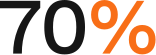
U.S. and Canadian companies can cut payroll costs by up to 70% through nearshore staffing in Mexico.

Cross-border recruiting has never been easier. Explore the global talent pool and unlock new opportunities for growth.

More companies now turn to Mexico for skilled professionals who deliver remote services and operational efficiency.
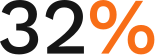
Businesses save up to 32% on cost per hire while gaining the flexibility to scale teams as needed.